
AI Video Production for Businesses: How to Plan a Video That Feels on Brand
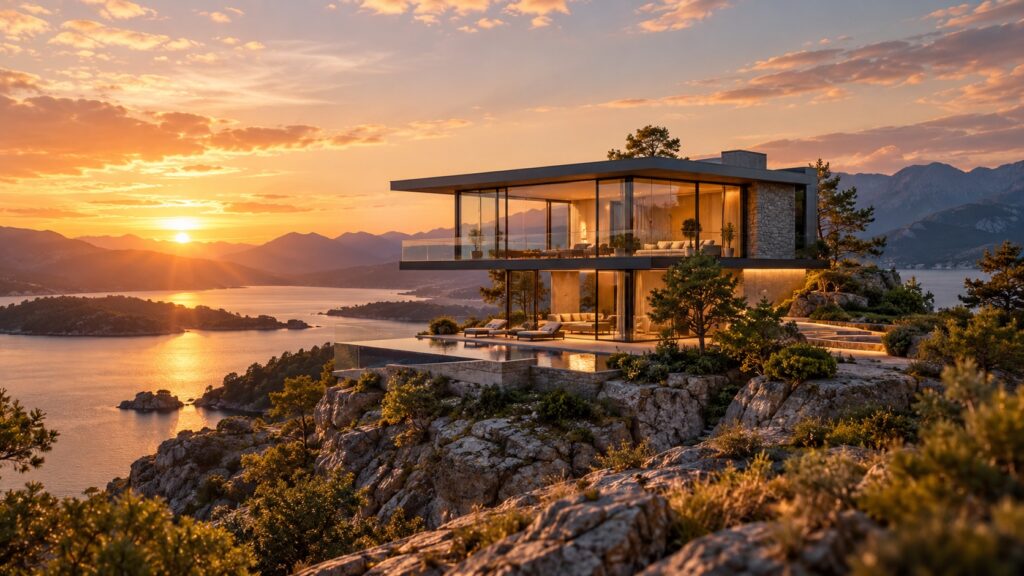
AI can make ambitious video concepts more accessible, but a strong result still depends on a clear brief, a consistent visual direction, and careful review. Here’s how to plan an AI video project for your business.
/ Table of contents:
What AI video production means for a business
AI video production uses generative tools as part of the creative process to develop or produce moving-image content. Depending on the project, AI may help create environments, product scenes, visual effects, transitions, or entire sequences. A hybrid project may combine generated scenes with live-action footage, conventional editing, sound design, and human-directed creative work.
The useful question is not whether a video is “made by AI.” It is whether the finished work communicates the right idea, fits the brand, and serves the channel where it will appear. A striking image can attract attention, but it still needs a clear role in the campaign.
Start with the job the video must do
Before choosing a visual style or tool, decide what the video should accomplish. Is it introducing a new product, explaining a benefit, building familiarity, supporting a paid campaign, or giving a brand a more distinctive story? One video can support several goals, but it should have one primary job.
Write a short brief that identifies the audience, the offer or idea, the desired next step, the placement, and any claims or details that must be accurate. For a product video, list the product features that cannot change: packaging shape, label, colour, material, proportions, and any regulated wording. For a service or brand film, define the impression viewers should leave with.
Build a visual direction before production
A concise reference board helps align the team on lighting, camera movement, colour, pacing, setting, and degree of realism. References should communicate qualities rather than invite direct imitation. Note what you want to borrow at the level of craft—such as warm evening light or restrained camera movement—without copying another brand’s recognizable execution.
For AI-generated scenes, visual consistency needs active direction. Establish a small set of repeatable choices: lens feel, lighting, colour palette, environment, and subject styling. If these shift from shot to shot, the final edit can feel like unrelated images assembled together.

Design the video around its placement
A campaign may need a wide master for a website or YouTube, plus vertical or square edits for social placements. Think about framing early. Keep the key subject away from edges if the footage will be cropped into multiple formats, and make sure the product or person remains readable on a phone screen.
Plan for sound and sound-off viewing. Music, ambience, and voice can carry emotion, while clear visual storytelling helps the video make sense when muted. Add captions or on-screen copy in editing when needed; generated imagery should not be trusted to render precise packaging text or brand copy correctly.
Review the work like a brand owner
Review each shot for product accuracy, continuity, natural movement, readable details, and consistency with the brief. Look closely at hands, faces, reflections, logos, labels, and transitions. If a generated detail is wrong, it can undermine trust even when the overall image looks impressive.
Agree on review stages before production begins. It is easier to correct a concept, storyboard, or rough sequence than to rebuild a finished edit. Consolidate feedback so the creative team receives clear, prioritized notes rather than conflicting comments.

Where AI video can fit—and where it may not
AI can be useful when a concept relies on a setting, visual transformation, or stylized scene that would be difficult to capture conventionally. It can also help a team explore creative directions before committing to a larger shoot. Live-action may be the stronger choice when the campaign depends on real customer demonstrations, specific people, precise physical interaction, or documentary authenticity.
Many projects benefit from a hybrid approach. Use the production method that best serves each shot, then bring the pieces together with a consistent edit, sound, and art direction.
Plan the next step
A productive AI video project starts with a focused brief and an honest conversation about what must be real, what can be generated, and how the final assets will be used. SGNTUR develops AI-generated and hybrid video creative for brands, from concept and visual direction through production and campaign-ready edits.
